
Garage door openers are one of those devices we almost never think about until they stop working. One day you press the button, sip your coffee, and expect the door to rise like a loyal servant. Instead, you get silence, a sad beep, or a mysterious grinding sound that makes your heart sink. Welcome to the world of garage door opener repair – a mix of detective work, patience, and occasionally talking to your garage like it owes you money.
Why garage door openers fail more often than we admit
Garage door openers are deceptively complex machines. Inside that innocent-looking box on your ceiling lives a motor, gears, sensors, wiring, and electronics that all need to cooperate perfectly. Over time, vibrations, dust, temperature changes, and simple wear and tear slowly take their toll.
In Alberta, where winters are harsh and summers can swing dramatically, these systems face even more stress. Cold temperatures can thicken lubricants, make metal contract, and weaken batteries in remotes. Heat, on the other hand, can dry out components and cause expansion that throws things slightly out of alignment.
Many homeowners assume their opener will last forever, but in reality, most systems start showing signs of trouble after 8 to 12 years. Some last longer, some fail sooner – it depends on quality, usage, and maintenance.
Step one – identify the real problem
Before grabbing a ladder and tools, the smartest move is to figure out what is actually wrong. Not all garage door opener problems are created equal.
If the door does not move at all, the issue might be electrical. Check whether the opener has power. Look for lights on the unit, test the wall switch, and try the remote. If nothing responds, you may have a tripped breaker or a blown fuse.
If the motor runs but the door does not move, you might have a broken chain, belt, or drive gear. This is a common issue in older openers where plastic gears wear down over time. You will often hear the motor spinning freely while the door stubbornly stays put.
If the door starts moving but stops halfway, the problem is often related to alignment or safety sensors. Most modern openers have infrared sensors near the floor that prevent the door from closing if something is in the way. If these sensors are dirty, misaligned, or damaged, your door may behave like a moody teenager refusing to cooperate.
Step two – check the safety sensors
Safety sensors are one of the most frequent sources of trouble. They sit on both sides of the garage door, near the ground, and communicate with each other using an invisible beam of light.
First, make sure nothing is blocking them. A stray broom, toolbox, or even a cobweb can interrupt the signal. Next, check whether both sensors are properly aligned and facing each other. They should have small indicator lights that turn solid when everything is correct.
If one light is blinking or off, try gently adjusting the sensor until the lights stabilize. Wipe the lenses with a soft cloth to remove dust. Many homeowners panic at this stage, but often this simple step solves the issue in minutes.
Step three – inspect the mechanical parts
If sensors are fine, it is time to look at the physical components. Climb up safely and examine the chain or belt that connects the motor to the door. Look for loose connections, visible damage, or excessive slack.
A slightly loose chain can cause jerky movement or loud rattling. Tightening it carefully can improve performance. However, over-tightening can cause additional wear, so balance is key.
Check the tracks along which the garage door moves. They should be straight, clean, and free of debris. Bent or misaligned tracks can put extra strain on the opener and eventually lead to failure.
Step four – test the remote and wall switch
Sometimes the problem is not the opener at all, but the control system. Replace the batteries in your remote before assuming something is broken. It sounds trivial, but it solves more issues than you might think.
If the remote still does not work, try the wall-mounted button. If that works, your remote may need reprogramming or replacement. If neither works, the issue is more likely inside the opener itself.
Step five – when DIY stops being fun
At this point, many people feel confident and keep pushing forward. Others start realizing that garage door systems are not as simple as changing a light bulb. If you notice burned wiring, strange smells, or internal motor problems, it is time to pause.
This is where professional help becomes not just convenient but smart. Modern garage door openers involve electricity, tension springs, and heavy moving parts that can be dangerous if mishandled.
Our company WinCal specializing in garage door opener repair Calgary have seen every possible scenario. We carry proper tools, replacement parts, and most importantly, experience that helps them diagnose issues quickly instead of guessing.
Common mistakes homeowners make
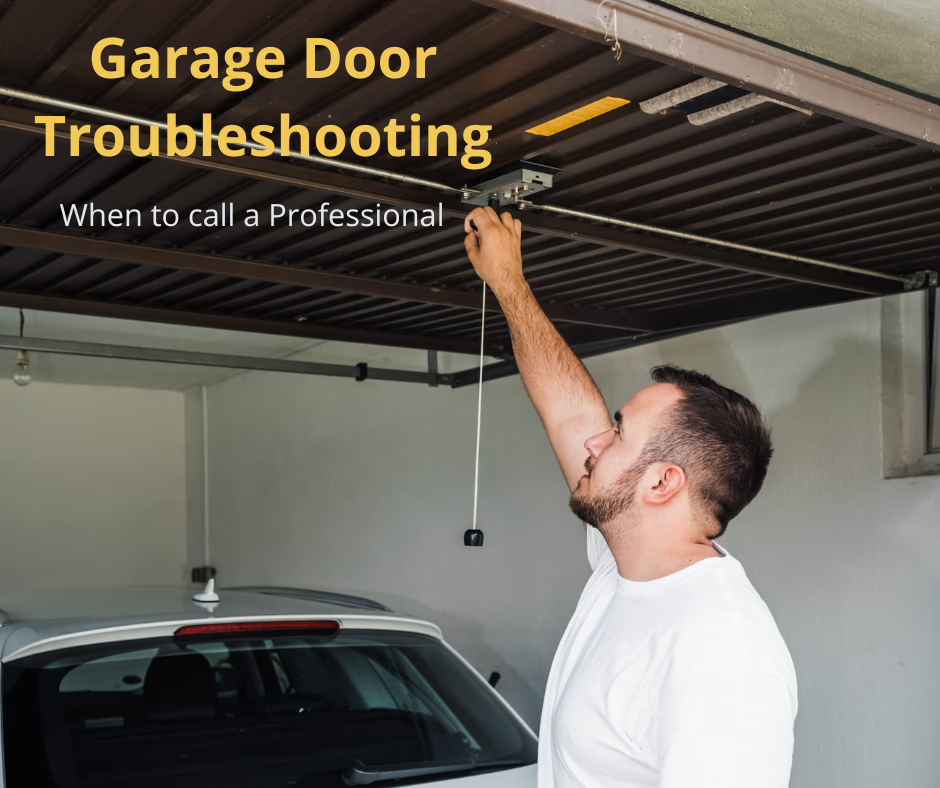
One of the biggest mistakes is trying to force a stuck door manually while the opener is still engaged. This can damage gears or even break the door mechanism. Always disengage the opener first using the emergency release cord.
Another mistake is ignoring early warning signs. Loud grinding noises, slow movement, or random stopping often indicate deeper problems. Many people wait until complete failure, which usually leads to higher repair costs.
Some homeowners also try to lubricate everything with whatever oil they have lying around. Using the wrong lubricant can attract dust and dirt, making things worse over time. Garage door components need specific types of lubrication designed for metal parts.
Preventive maintenance – your future self will thank you
You can dramatically extend the life of your garage door opener with simple maintenance. Clean the sensors every few months, tighten visible bolts, and keep tracks free of debris.
Listen to your system. If it starts sounding different, do not ignore it. Early inspection can prevent major breakdowns later.
In cold weather, let the door warm up a bit before heavy use, especially if your garage is unheated. Cold metal behaves differently and can strain the motor.
Why professionals are worth it
Some people enjoy tinkering, while others just want things to work without stress. Professional technicians do not just fix the immediate issue, they also check the overall health of your system.
They can spot problems you might miss, such as worn rollers, weakened springs, or electrical inconsistencies. In many cases, they can upgrade your opener to a quieter, more efficient model that includes smartphone control or battery backup.
In a city like Calgary, where weather can be unpredictable, having a reliable garage door opener is not a luxury – it is a practical necessity. Coming home in minus 25 and discovering your door will not open is a level of frustration nobody needs.
When to replace instead of repair
Not every opener is worth saving. If your unit is more than 12 to 15 years old, noisy, and frequently malfunctioning, replacement may be more cost-effective than repeated repairs.
Newer models are quieter, safer, and more energy-efficient. They also integrate with modern home systems, allowing you to monitor and control your garage door from your phone.
A professional assessment can help you decide whether repair or replacement makes more sense based on your budget and needs.
Final thoughts – patience, logic, and a little humor
Repairing a garage door opener can be a satisfying challenge if the problem is minor. But it can also turn into a headache if you underestimate the complexity of the system.
Approach the task calmly, follow logical steps, and know your limits. If things start looking complicated, reaching out to experts is not defeat – it is smart decision-making.
After all, your garage door should lift smoothly, quietly, and reliably, not become a source of stress, mystery noises, and late-night troubleshooting sessions with a flashlight in your mouth.