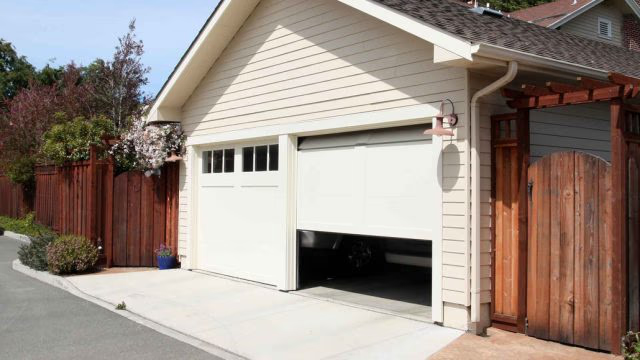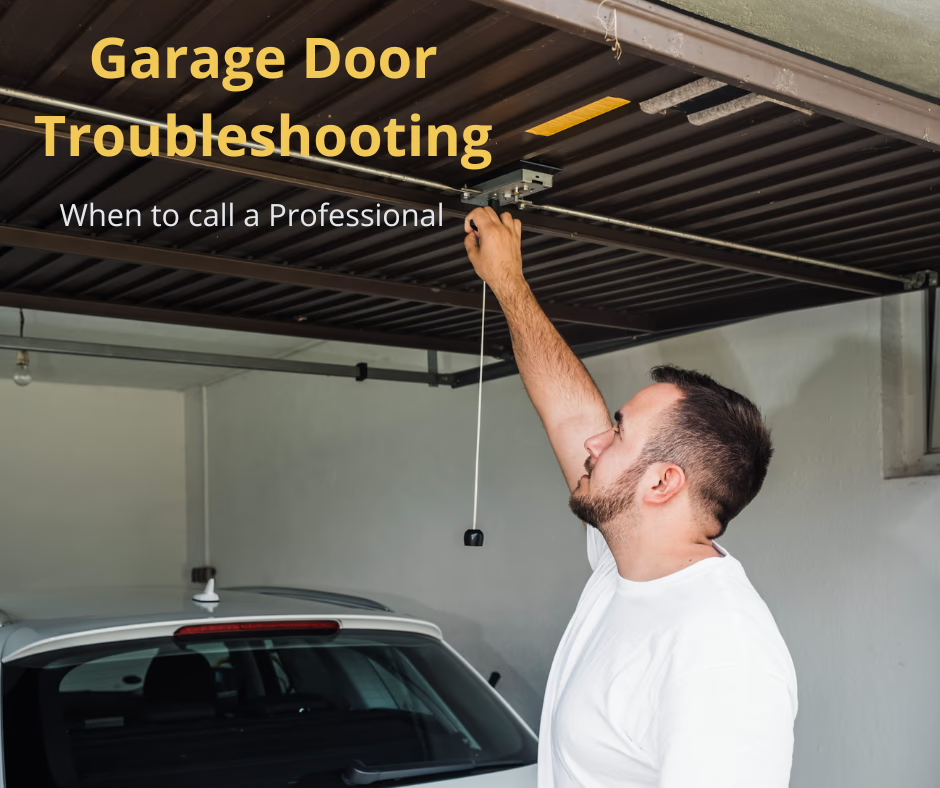

Your garage door is one of those things you rarely think about — until it starts acting like it has a personality of its own. One day it opens smoothly and quietly. The next day it groans, jerks, or refuses to move at all, as if protesting against your early morning commute. The truth is, garage doors usually give clear warning signs before they fail completely. You just need to know what to look — and listen — for.
Below is a practical, easy-to-understand guide to help you figure out whether your garage door needs professional attention, with a touch of humor and a lot of useful insight.
Unusual Noises You’ve Never Heard Before
A garage door should not sound like a heavy metal concert. Some noise is normal, but grinding, screeching, banging, or popping sounds are not.
Common causes include worn rollers, loose hardware, dry hinges, or spring issues. If the door suddenly becomes much louder than usual, something inside is struggling. Ignoring these sounds often turns a small fix into a major repair.
If your neighbors start hearing your garage door before they see your car, it’s time to act.
Slow or Jerky Movement
Garage doors are designed to move in a smooth, controlled motion. When the door hesitates, shakes, or stops halfway, it’s a sign that something isn’t right.
Possible reasons include:
- Failing springs
- Misaligned tracks
- Worn cables
- Motor or opener problems
A slow door isn’t just annoying — it’s a safety risk. A door that can’t move properly may suddenly drop or get stuck, which is not something you want above your car or near your family.
The Door Won’t Fully Open or Close
If your garage door refuses to close all the way, or opens halfway and stops, don’t assume it’s “just a sensor issue” and move on.
Yes, photo-eye sensors can get dirty or misaligned. But incomplete movement can also indicate deeper mechanical problems. Springs may be losing tension, or the opener could be under strain.
In Calgary’s changing climate, temperature fluctuations can make existing issues worse — another reason these problems shouldn’t be ignored.
Sagging or Uneven Door Sections
Stand back and look at your garage door when it’s closed. Does it look straight?
If one side appears lower than the other, or the door looks slightly curved, that’s a red flag. Sagging usually points to worn springs or structural stress on the panels. Over time, this can damage tracks, strain the opener, and shorten the life of the entire system.
A crooked garage door is not a fashion statement — it’s a warning.
Frequent Reversing for No Clear Reason
Does your door start closing and then immediately reverse back up, even when nothing is in the way?
While sensors are often responsible, repeated reversing can mean the opener is detecting resistance. That resistance could be caused by track misalignment, cable issues, or internal mechanical wear.
The system is basically saying, “Something’s wrong, and I don’t like it.”
Visible Wear on Springs, Cables, or Rollers
You don’t need to be a technician to notice obvious wear.
Look for:
- Frayed or rusty cables
- Gaps in torsion springs
- Cracked rollers
- Loose bolts or brackets
Garage door springs are under extreme tension. When they fail, they fail suddenly. This is one of the main reasons professionals strongly recommend never attempting spring repairs yourself. It’s not a DIY project — it’s a safety hazard.
The Door Feels Heavier Than Usual
Try lifting the garage door manually (only if the opener is disconnected and it’s safe to do so). A properly balanced door should lift smoothly without feeling excessively heavy.
If it feels like you’re doing a deadlift workout at 6 a.m., your springs are likely worn or failing. Continuing to operate the door like this puts stress on the opener and increases the chance of a sudden breakdown.
Your Garage Door Is Old — and It Shows
Garage doors don’t last forever. If yours is 15–20 years old, even minor issues can be signs that components are reaching the end of their lifespan.
Older doors often lack modern safety features, insulation, and efficient hardware. Frequent repairs may indicate that it’s time for professional assessment rather than temporary fixes.
DIY Fixes Keep “Fixing” Nothing
Lubrication, tightening bolts, and cleaning sensors are fine for basic maintenance. But if you’ve already tried simple solutions and the problem keeps coming back, it’s time to stop experimenting.
Garage doors are complex systems. One incorrect adjustment can create three new problems. That’s why homeowners searching for reliable repair garage door Calgary services often discover that calling professionals early saves both money and stress.
Why Professional Repair Is Always the Smarter Choice
Garage doors combine mechanical force, electrical systems, and heavy materials. A trained technician can quickly identify the real cause of the issue, not just the visible symptom.
Professional repair means:
- Correct diagnosis
- Safe handling of springs and cables
- Long-term solutions instead of temporary patches
- Protection for your vehicle and home
For homeowners, working with experienced local specialists like WinCal Garage Doors ensures repairs are done properly, safely, and with an understanding of local weather conditions that affect garage door systems year-round.
Final Thoughts
Your garage door talks to you — not with words, but with sounds, movement, and behavior. When it starts acting strangely, it’s rarely random. Paying attention to early warning signs can prevent inconvenient breakdowns and expensive emergency repairs.
If your garage door is noisy, slow, uneven, or just feels “off,” trust that instinct. A professional inspection can restore smooth operation and give you peace of mind — without turning your weekend into a risky DIY adventure.
Because the only thing your garage door should surprise you with… is how quietly and reliably it works.